





Why Joka Room Casino No Deposit Bonus Stands Out
What makes a deposit-free starter perk attractive in 2026? Usually it is not the size of the reward alone. It is the chance to test the layout, the pace of the lobby, and the feeling of the cashier before real money decisions get serious. For many readers in Australia, that first low-pressure step is the difference between browsing for five minutes and actually learning whether a platform fits their habits.
Imagine opening a casino account late in the evening after work. You do not want a long learning curve, and you do not want to commit funds before you know where the slots are, how the menu behaves, and whether the support area is easy to find. A starter perk with no initial spend helps with exactly that - it lets you check the basics while staying in control.
How The Lobby Feels To A New Player
The lobby experience usually decides everything within minutes. If categories are messy, search does not help, or the cashier sits behind too many clicks, people leave. If the path is simple, they stay longer, compare options, and start building a routine. That matters for Australia users who often switch between desktop and phone.
Picture a player who opens the site on a train ride, then continues later from a laptop. The platform needs to feel consistent across both moments. Menus should be familiar, balance information should be obvious, and filters should not disappear just because the screen changed. When those basics are handled well, the whole experience feels more usable even before any deposit is made.
When Joka Casino No Deposit Bonus Fits Your Style
This format tends to fit curious but cautious players. If you like to test navigation, explore a few titles, and see how the cashier works before moving money around, the idea makes sense. If you already know exactly what you want and plan to deposit immediately, it may matter less. Usually the biggest benefit goes to players comparing several brands and trying to remove friction before choosing one.

Registration, Verification, And First Steps
Signing up should feel like filling out a short form, not like applying for a mortgage. In most cases, the account flow starts with basic details, a password, and confirmation of age and eligibility. After that comes the practical part: checking profile settings, communication preferences, and any control tools that are easy to miss when people rush.
A common mistake is treating registration as a race. People create the profile, jump straight into the lobby, and only later discover they skipped important sections such as deposit limits or identity prompts. That backfires during withdrawals, because what feels tiny on day one can become the reason a cash-out pauses later.
If you are in Australia, it is smart to read the account section before playing for longer than a few minutes. Look for spend controls, session reminders, and the profile menu where documents may be requested. Usually players do best when they split the first visit into two phases: create the account and explore, then return later to the cashier and verification area with a calmer eye.
Creating An Account Without Rushing
A practical method is to treat the first ten minutes as setup time only. Open the account, confirm contact details, read the profile tabs, and note which controls are already active. Then stop and ask a simple question: if I come back tomorrow, will I understand this account instantly? If the answer is no, organise it now.
Imagine someone registering during a lunch break. They rush through the steps, ignore a profile warning, and then cannot remember where the transaction log lives. A slower start avoids that. It is less dramatic, but much more effective.
Completing Checks Before Cashing Out
Verification rarely feels exciting, yet it is one of the most useful tasks to complete early. Many players prefer to leave it until they are ready to withdraw, but that is when delays become frustrating. If the platform requests documents or profile confirmation, finishing those checks in advance usually creates a smoother path later. Think of it as clearing the road before you need to drive fast.
Games, Filters, And Choosing A Session

Once the account basics are done, the next real question is not “how many games are there?” but “how do I choose without wasting an hour?” A wide lobby sounds good until every category looks the same. Smart players narrow the field quickly: one slot for short spins, one table-style title for slower pacing, and maybe one feature-heavy game for variety.
In practice, session planning matters more than endless browsing. If you are opening the site for twenty minutes, you need a different game style than you would for a relaxed evening at home. A commuter checking in from a phone often wants fast loading and clear controls, while someone on desktop may be willing to explore deeper menus and compare mechanics.
Player Goal | Best Approach | What To Check First |
|---|---|---|
Quick break session | Pick one familiar title and keep the visit short | Spin speed, sound controls, session reminder |
Longer evening play | Build a shortlist of two or three games | Feature style, bonus rounds, lobby filters |
Low-pressure testing | Use practice-style discovery where available | Navigation, rules page, mobile layout |
Budget-focused visit | Decide a stop point before launching anything | Balance display, limit tools, transaction history |
One useful habit is to enter the lobby with a purpose. Not “I will try everything,” but “I will test one fast game and one slower one.” That keeps decisions cleaner. Otherwise the lobby turns into noise, and the player ends the night remembering only that they clicked around a lot.
Building A Shortlist Instead Of Chasing Everything
A shortlist reduces bad decisions. Choose two or three titles, note how each one feels, and compare them after the session rather than during it. Players often think more choice means more control, but the opposite is usually true. A smaller field creates cleaner judgment, especially when money is involved and emotions can rise quickly after a win or loss.
Banking Habits, Limits, And Cash-Out Rhythm
Banking is where casual interest becomes real behavior. The important questions are simple: how easy is it to fund the account, how clearly are transactions shown, and how predictable is the path back out? Players in Australia usually want a cashier that explains steps without forcing them to decode every label.
A healthy approach is to set a deposit amount before opening the cashier, not while staring at payment buttons. That one decision changes the mood of the whole session. If the number is decided early, the player is steering. If the number is chosen in the heat of the moment, the cashier starts steering instead.
Usually the best withdrawal rhythm is boring. That is a compliment. It means the player knows where pending requests appear, understands that processing can depend on the method used, and does not keep reversing cash-outs just because another game looks tempting. Imagine someone landing a decent result after a short session. The disciplined move is to submit the request, log out, and check status later instead of reopening the lobby immediately.
What A Sensible Withdrawal Routine Looks Like
A useful routine is simple: review the balance, confirm any pending checks, submit the cash-out, and then leave the account alone for a while. Keep personal notes or screenshots of the transaction history if you like staying organised. Many players create problems by treating withdrawals as reversible pocket money rather than completed decisions.
Another example helps. Suppose you play on Friday night, request a withdrawal, and then return Saturday morning because the balance page still shows movement you do not fully understand. Instead of guessing, open the history tab, read the labels carefully, and contact support only after you know what changed. A little patience usually prevents a lot of confusion.
Mobile Play, Support, And Safer Controls
Mobile use now shapes how most casino platforms are judged. In 2026, players expect the phone version to do almost everything the desktop version can do - launch games cleanly, open the cashier, show account history, and reach support without zooming into tiny text. If a site cannot manage that, it feels old immediately.
Support matters just as much. A platform can look polished and still frustrate users if help is hidden behind vague menus or if answers feel copied from a script. Picture a player who cannot locate a transaction update before bed. They do not need a lecture. They need a direct path to the right category, clear wording, and an answer that addresses the real issue.
Safer play tools deserve equal attention. Session reminders, deposit caps, cooling-off periods, and self-exclusion options should be easy to locate before emotions rise. The best time to set them is not after a bad run - it is before the session starts, when judgment is still calm.
Using Timeout And Self-Exclusion Tools
These tools are not only for crisis moments. They are useful for ordinary discipline. If you know weekends tend to stretch longer than planned, set a break in advance. If you notice you chase losses after midnight, limit late sessions before they begin. Usually players who use control tools early feel more confident, not less, because the account starts working with their routine instead of against it.
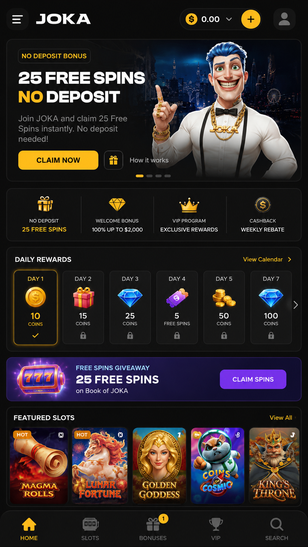
Is It A Good Match For Australia Players In 2026
For readers in Australia, the most relevant question is not whether a platform looks exciting on a banner. It is whether daily use feels manageable. Can you register without friction, understand the payment path, navigate on mobile, and apply controls that support adult play within applicable rules? If those pieces line up, the platform becomes easier to evaluate on its actual merits.
Some players want a quick evening diversion with a small, pre-set budget. Others want a broader lobby they can revisit across the week. Usually the strongest fit comes when the platform matches your rhythm rather than trying to change it. That is why a calm first visit, careful setup, and realistic testing matter so much.
Who Will Enjoy The Platform Most
This style of casino experience suits players who value structure. If you like checking the cashier before depositing, filtering games instead of wandering, and using reminders or limits to keep sessions tidy, you are likely to feel comfortable here. Imagine a person who treats online play like any other paid hobby - planned, budgeted, and easy to pause. That person usually gets the best value from the experience.
Who Should Take A Slower Approach
Anyone who tends to rush sign-up, skip profile checks, or treat the cashier as an impulse button should slow down. The platform may still be a fit, but only if the first visit is handled carefully. A smart move is to explore the layout, set boundaries, and leave bigger decisions for the second session. That extra pause often separates controlled play from messy play.